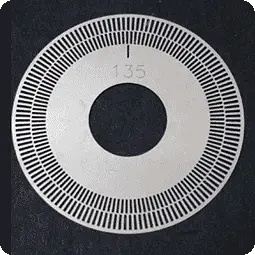
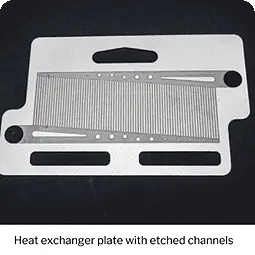
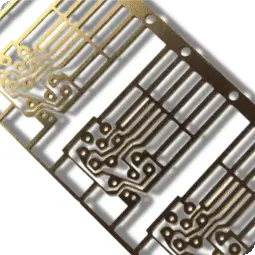
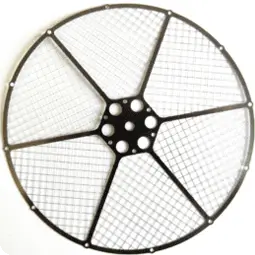
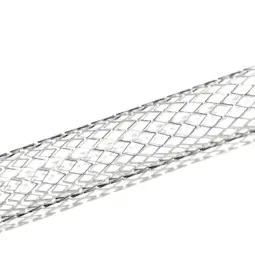
LASER CUTTING CAPABILITIES
TOLERANCES:+/- 5% of the metal
METAL THICKNESS: .010" - .250"
MATERIAL: Aluminum, Steels, Copper Alloys
SHEET SIZE: Up to 48" X 48"s
Laser Cutting
High-speed fiber laser cutting enables precise, burr-free results from thin foils to heavy sheet metal.
To meet our expanding customer needs and the growth in new technologies, we've added fiber lasers services. These high-tech machines help us provide more efficient solutions than ever before for a wide range of sheet metal part dimensions and thicknesses.
Our laser cutting technology uses high-powered, computer controlled beams of light to cut with extreme precision. The focused laser energy melts or vaporizes material along an exact path, creating clean, burr-free edges and highly accurate geometries. Because the process is non-contact, even the most intricate features can be produced without tool wear or deformation, and heat-affected zones are kept to a minimum.
This capability allows us to process metals from ultra-thin foils to heavy-gauge sheets with consistent accuracy and repeatability. Combined with our advanced automation and in-house engineering expertise, laser cutting delivers the speed, flexibility, and quality needed for both prototypes and full-scale production
Laser Cutting Advantages
Laser cutting machines are known for cutting material with precision and lower lead times than other metal fabrication processes for flat parts. There are two main types of laser cutting methods for cutting metals, such as gas lasers (CO₂), and solid-state lasers using light energy (fiber lasers). Below are the general advantages of laser cutting.
01 High cutting speed for all thicknesses
02High cutting speed for all thicknesses
03Can cut a variety of metals
04Low-cost digital tooling
05Low tolerances
06Shorter lead times
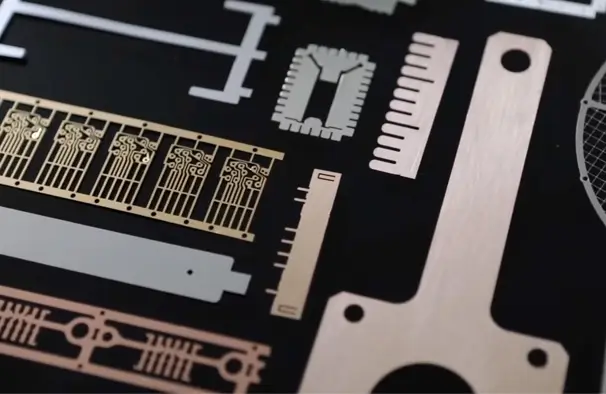
Fiber Laser Cutting Advantages
Fiber lasers are the newest and most powerful laser machines on the market for fabricating sheet metal parts with the highest precision. Below are the most notable advantages to manufacturing parts with lasers compared to other sheet metal cutting methods.
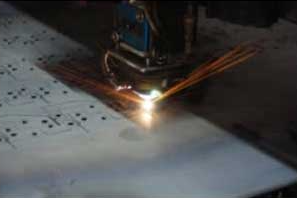
CO₂ Laser
CO₂ vs Fiber Lasers
CO₂ lasers have been the go-to for creating smooth cuts on thicker materials. But with recent technologies, fiber lasers also provide high-quality cuts on greater thicknesses. Fiber lasers are capable of cutting thinner metals faster than CO₂ lasers, and are superior in cutting reflective metals.
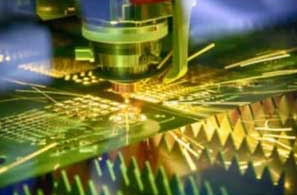
Fiber Laser
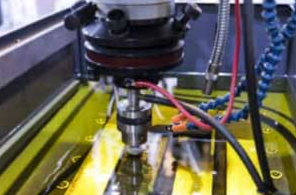
Wire EDM
EDM vs Fiber Lasers
Electrical discharge machining is known for its precision cutting with minimal heat damage. However, it has limitations in terms of speed and output compared with fiber lasers which offer comparable precision but are up to 10x faster!
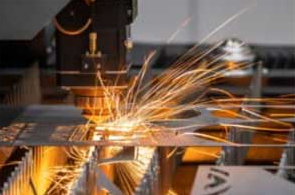
Fiber Laser
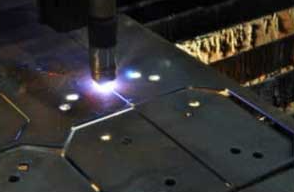
Plasma Laser
Plasma Laser vs Fiber Laser
When it comes to cutting metal, plasma cutting is among one of the cheapest alternatives. However, fiber laser cutting improves precision and quality for increased production yields, which saves money all around!
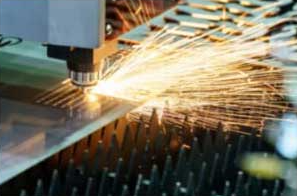
Fiber Laser
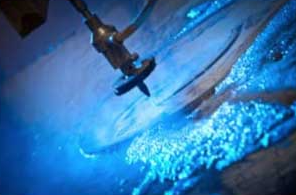
Water Jet
Water Jet vs Fiber Laser
Water jet cutting is an excellent option for thick material, but fiber lasers provide higher throughput, speeds, and consistency.
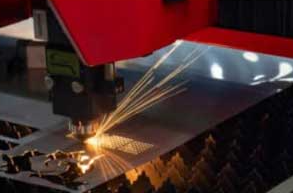
Fiber Laser
Laser Cutting vs Chemical Etching
How do you know if your parts benefit from either lasers or etching? There are many factors in play depending on the thickness, part features, and the number of parts. Below is a general guide to help you decide which manufacturing process will produce the best results and costs for your part's requirements. If you are not sure, upload a part file and we will tell you! In some instances, both processes can achieve the results you desire.
In some cases, your parts may require both metal etching and laser cutting. Our Hybrid Etch-Laser Process (H.E.L.P) will get you the results you need and it is all done in-house to save on lead time and costs!
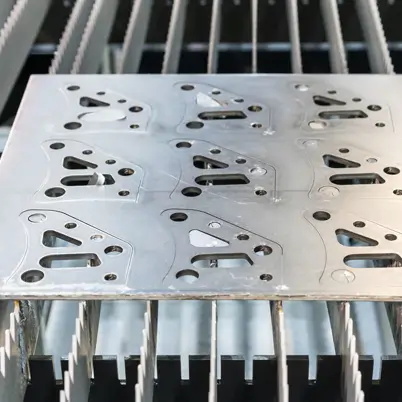
Laser Cutting
Metal Thickness: .010’’ - .250”
Part Size: parts that exceed 11.5" X 23.5"
Part Features: inside radii corners requiring 90º angles, or holes smaller than the metal thickness
Quicker Prototyping: simple parts with thicker metals
Chemical Etching
Complex or Intricate Part Features: medium to larger production runs are more cost-effective
Feature Depth: when parts require a partial or half etch depth greater than just a surface marking, or only etched on one side
No burrs or thermal stress: some parts, like electronic mating components, are required to be free from possible micro burrs or heat deformation