- Ductile - Easy to bend if a secondary forming operation is required
- Conductivity - Excellent heat and electrical conductivity
- Corrosion-resistant - Even more so with nickel and silver underplate
- Non-magnetic - Helps in the protection of EMI emissions
- Solderable - Can be welded without added plating
- Malleable - Can be flattened or stretched
Chemical Etching Copper
Copper etching delivers excellent electrical and thermal conductivity with precise, cost-effective performance.
Chemically etched copper components are widely used in electronic systems across many industries. Copper’s excellent electrical and thermal conductivity allows components to handle high voltages and currents with reliable performance.
We have etched copper components for EMS and OEM companies for decades. Copper is softer than many metals, easy to etch, and delivers precise results. While copper is naturally corrosion resistant, finishes such as a nickel flash underplate or silver overlay can further enhance corrosion protection. Adding a tin overlay can also improve high-temperature performance and solderability.
Copper alloys including phosphor bronze, beryllium copper, brass, and nickel silver retain many of copper’s core properties while offering increased strength, conductivity, or corrosion resistance through alloying.
The following overview of copper and copper alloy properties can help guide material selection. With our copper etching experience, we can help identify the most functional and cost-effective option for your application.
Copper Alloys
Brass Etching
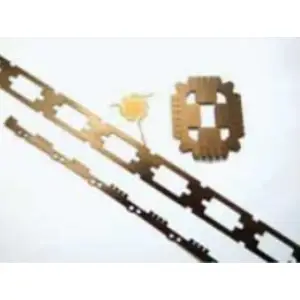
Copper and Zinc Alloy
- Corrosion-resistant
- Dense and tougher than copper
- Machine workable
- High electrical conductivity
- Withstands friction better than copper
Phosphorus Bronze Etching
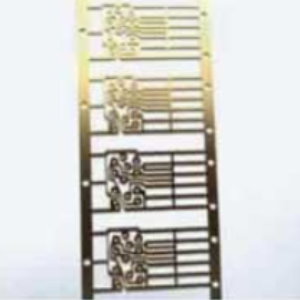
Copper Tin and Phosphorus Alloy
- Higher-strength and fatigue compared than copper and brass
- Better tolerance to friction than copper
- Higher corrosion-resistance than copper
- Good electrical conductivity-
- not as high as copper
- High elasticity
Beryllium Copper Etching
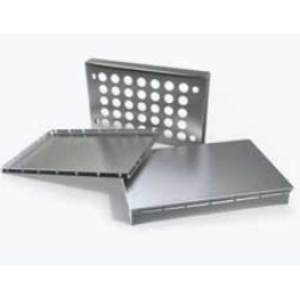
Copper, Beryllium, Cobalt, Nickel, Iron, and Lead.
- Lower electrical and thermal
- conductivity than copper
- Harder and better fatigue strength than copper
- Highest strength of any copper alloy (sometimes called spring copper)
- Excellent forming abilities
Nickel Silver Etching
Copper, Nickel and Zinc Alloy
- Good Corrosion-resistance Hard
- Good electrical and thermal
- conductivity-not as high as copper
- Malleable
- Ductiles
- Non-magnetic
Copper Chemical Etching Benefits
Because copper is a softer metal, some sheet metal fabrication processes may compromise the structure of the part. For example, punching in the stamping process can cause deformation, especially with smaller and/or numerous apertures. Photo chemical etching excels at precision and maintaining low dimensional tolerances without the presence of burrs and deformations.
Wire EDM is suitable for conductive metals such as copper and copper alloys and works well with smaller thinner parts, although there is a possibility of thermal damage. Laser cutting can prove challenging because copper is a poor absorber of infrared laser light. Chemical etching proves to be the most precise and cost-effective method for smaller thinner parts that are popular in microelectronics and R/F microwave products. The simultaneous manufacturing method is fast and the acid wash leaves the surface of the parts and edges clean and smooth.
Here are the benefits of photochemical etching copper compared to other types of metal fabrication processes:
01 Low-cost tooling
Tooling is produced quickly, and at only a fraction of the cost compared to hard conventional tooling. Prototype modification is inexpensive.
02Burr and Stress-Free
Parts are etched evenly and quickly without a single point of contact.
03Unaltered Metal Properties
Copper properties remain intact as there are no heat-affected zones
04Low-Cost Complex Designs
Copper parts with small holes, slits, slots, or other intricate features costs less than other manufacturing processes when larger runs are required.
Copper Chemical Etching Applications
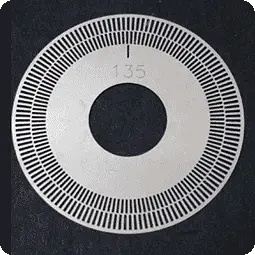
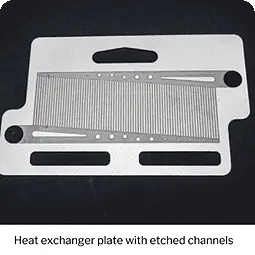
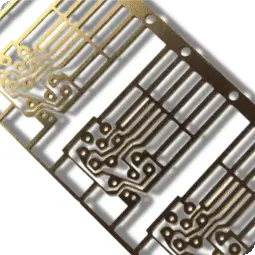
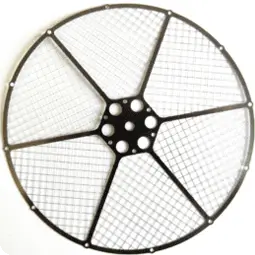
Copper is used most commonly in electronic systems because of its high electrical and thermal conductivity. Therefore, there are many industries such as RF/microwave, semiconductor, electronics, automotive, aerospace, and medical equipment where you will find the need for copper parts. Most of these parts are found on or connected to a printed circuit board, or battery systems, such as contacts, connectors, terminals, grounding springs, lead frames, and EMI shielding. Most of these parts can be formed easily because of copper's excellent ductility.
Copper Etched Electronics and RF/Microwave Parts
- pins
- contacts
- connectors
- EMI/RFI shielding
- step lids
- lead frames
- flat springs
- busbars
- grounding clips
- antennas
- RF waveguides
- shims
- gaskets
- meshes
- screens